





Meet The Exciting All New Chevrolet EV Vehicle Line Up
What is an electric car?
Electric vehicle technology has rapidly progressed over recent years, with new and previously inconceivable innovations helping drive this new way to view transportation in a modern world. With quantum leaps in electric motor and battery cell high-tech mechanics, automotive OEMs across the globe are racing to switch their model line focus to specialize in electricity as opposed to gasoline combustion.
While there is still much work to be done in the means of battery car charging station networks to support this wave of new vehicles, the path to this very near future of automotive is quickly taking shape. According to a 2021 Consumers Reports article, over 100 BEV (Battery Electric Vehicles) will be hitting the market in the next five years, giving drivers who want to embrace this technology a wide selection of experiences to choose from.
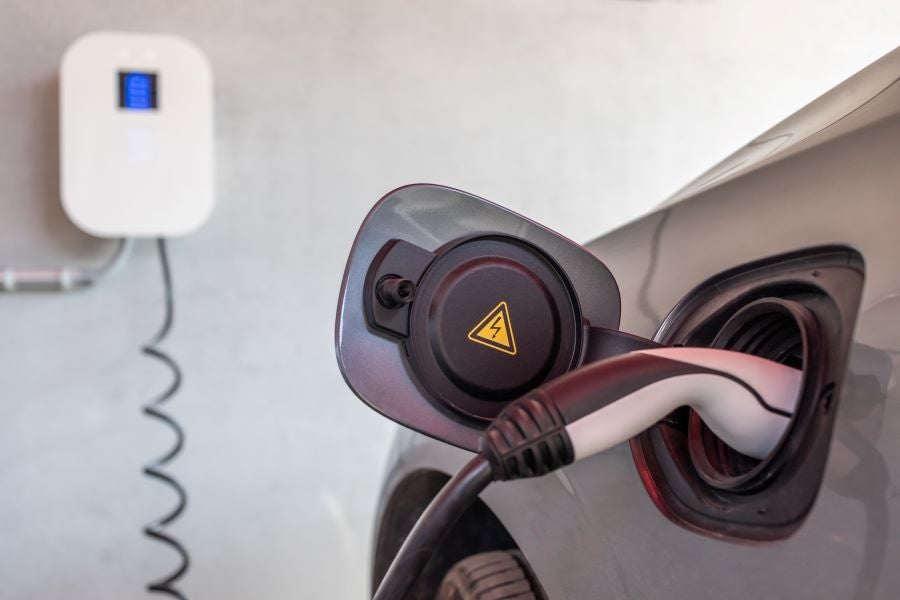
A key component to the success of any electric vehicle lies in its’ battery capabilities. Liquid Lithium-Ion batteries are one such preferred battery tech that can be found in many electric vehicles. Lithium ions move from the negative electrode through an electrolyte to the positive electrode during discharge, and back the opposite way when charging. Li-on batteries utilize use an intercalated lithium compound as the material at the positive electrode and usually graphite at the negative electrode. Another emerging battery type used in some newer models are considered Solid-State, which use thin layers of solid electrolytes to pass lithium ions between negative and positive electrodes. With solid-state batteries being as much as eight times more expensive to produce, and hard to build at scale, these batteries will more likely be reserved for luxury electric vehicles.
Electric Cars, Hybrids, and Plug-in Hybrids For Sale at Jack McNerney Chevrolet
If you don’t see what you’re looking for, keep in mind inventory fluctuates daily. Contact us for the most up to date information 315-238-4428.
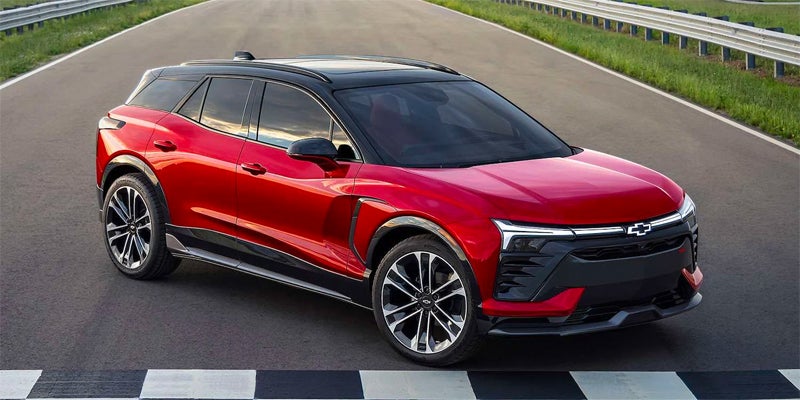
2025 Chevrolet EV Blazer
Meet the first ever all-electric Blazer EV. Blazer EV is the complete package with style, performance and technology. Available in multiple trims, colors and battery ranges, this daring new all-electric midsize SUV is built from the ground up around the game-changing Ultium battery platform.
Learn More About EV Blazer Features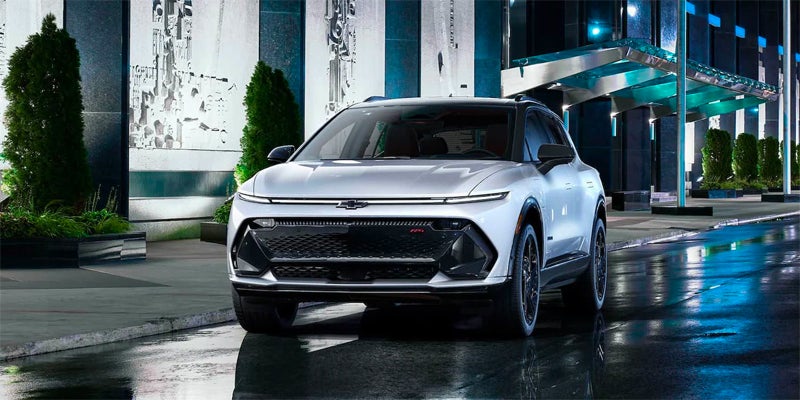
2025 equinox ev
Exceptionally designed with true SUV capability and modern technology, Equinox EV is proof that electric doesn’t have to mean exclusive. Enabled by the Ultium Platform† — this sporty, refined vehicle is engineered to be the total package made affordable, electrifying your daily drives. And the best news of all — Equinox EV is available to order.
Learn More About EV EquinoxElectric vs. Plug-in Hybrid
In addition to hybrid vehicles and fully electric cars, there is a third breed of new electric vehicle technology: The Plug-in Hybrid.
What is the difference between a fully electric car, a standard hybrid and a plug-in hybrid? Like hybrid cars, plug-in hybrids have both electric and gas motor. The major difference is that on a plug-in hybrid, the gas motor is held in reserve in case your battery runs out of change. In other respects, a plug-in hybrid functions more like a fully electric car, in that it primarily relies on an electric motor, powered by a large battery that you plug in to charge.

Plug-in hybrid
- Primary propulsion: electric motor, supplementary gas motor
- Fuel: Electric battery, backup gas fuel tank available
- Range: Battery range + gas fuel tank

Electric Cars
- Primary propulsion: electric motor
- Fuel: Electric battery
- Range: Battery range

Standard hybrid
- Primary propulsion: electric motor, supplementary electric motor
- Fuel: Gas, supplementary passive-charging battery
- Range: Gas fuel tank range
The Benefits

Innovative Technology
Enjoy next level tech and design. Everything from battery life to driving history is easy to view on the tablet-like display screen. You can even track real-time vehicle information to help you maximize efficiency. Even more, the revolutionary Ultium Platform is engineered for range, power and flexibility to charge fast, run long and fit every type of vehicle.
Easy Charging
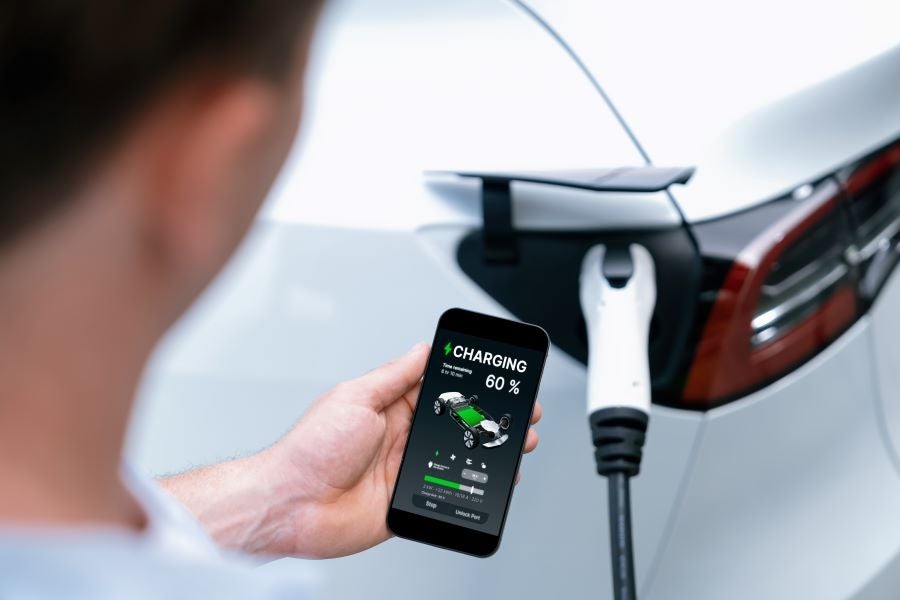
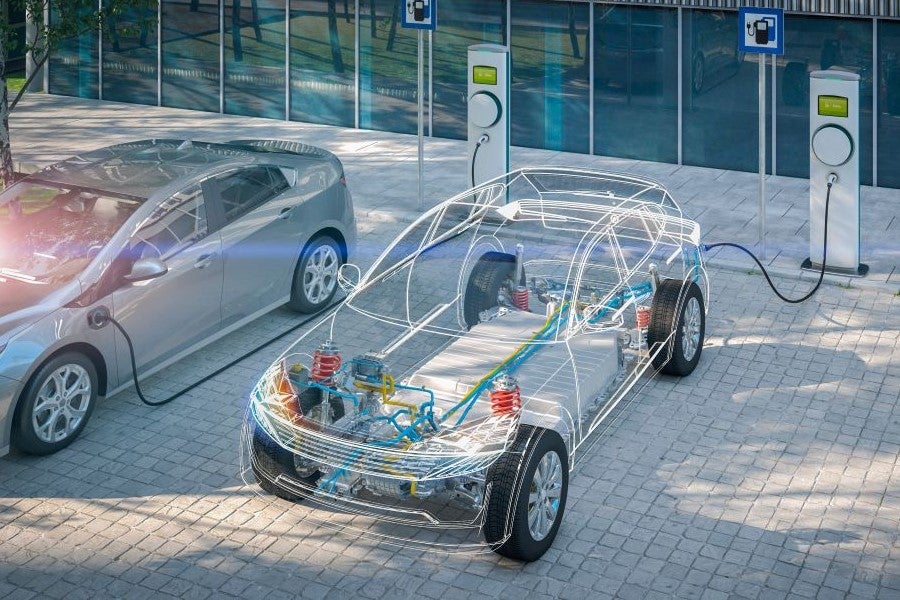
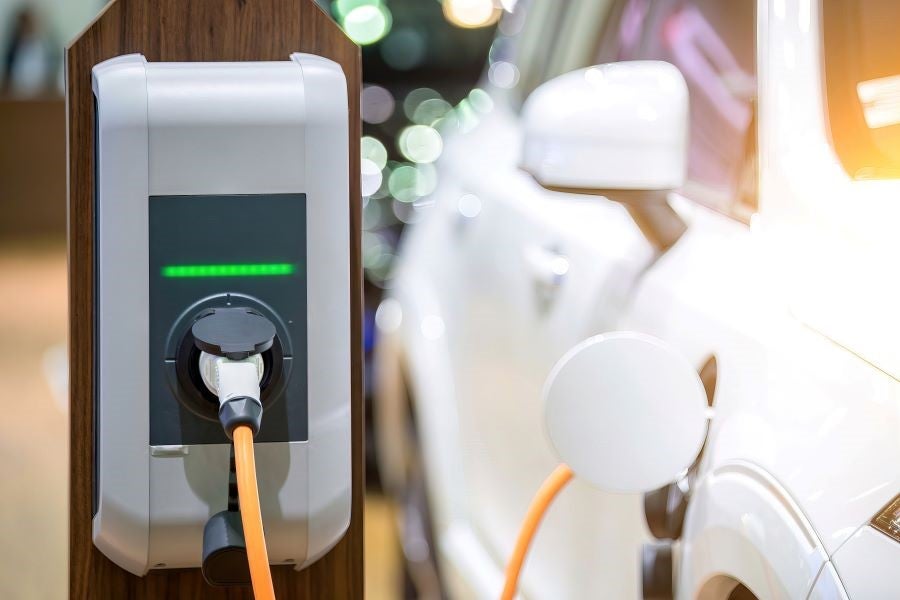
Charging is as easy as plugging in your smartphone. Your EV comes equipped with Level 1 charging which means you can simply plug in anywhere there’s a 3-prong outlet. Get a quicker charge with an in-home 240-volt charging unit or you can always top off your charge on the go – just search for a public charging station near you using the myBrand Mobile App with Energy Assist. Energy Assist helps you locate more than 40,000 compatible charging stations — and they’re all available to you regardless of the charge point operator. Whether at home or away, EV makes plugging in as simple as 1-2-3.
Fun to Drive
Ready to go electric or just explore the idea? Consider the new EV vehicles of Chevrolet, like the Silverado EV or Bolt EUV . They take you where you want to go, 100% gas-free. Impressive range, eye-catching style, spacious interior and surprisingly strong acceleration make it fun to drive on any road. The best part about your new EV? How fast you’ll get used to driving by gas stations. Come test drive an EV today at Jack McNerney Chevrolet and see for yourself!
Save Time and Money
Without all of the usual engine upkeep — oil changes, transmission fluid flushes, engine belt replacements — you’ll spend less time and money on maintenance. Plus, when compared to a new gas-powered vehicle of the same size, the EPA estimates that EV vehicles could save you as much as $5,000 in fuel costs over five years. Depending on where you live, you may also qualify for state or local rebates and incentives too. Plus, EVs come with a long battery warranty and great financing options. But savings are just the beginning – the perks of living electric go on and on.
CHARGING IS EASY
Charge Anywhere.
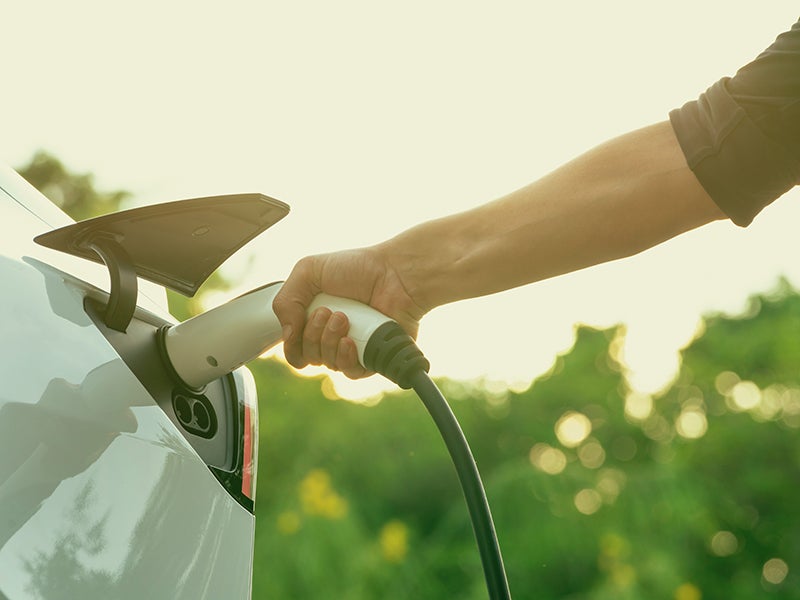
Offers about 4 miles of range per hour of charge and is a great option for overnight charging. Just plug in anywhere there’s a 3-prong outlet.
Charge at Home.
Offers up to 25 miles of range per hour of charge time and is the fastest, most recommended way to charge at home (professional installation required).
Charge On the Go.
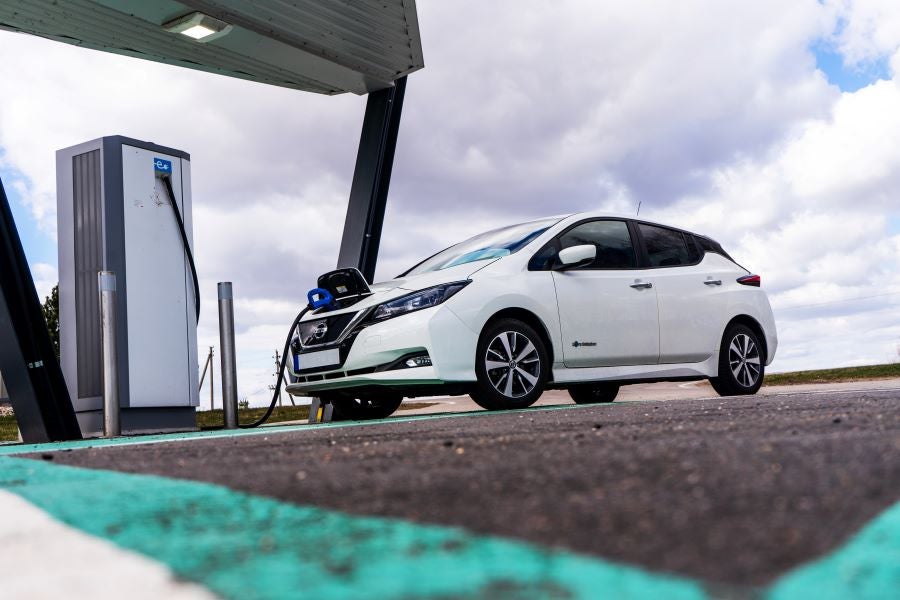
Offers up to 100 miles of range in about 30 minutes of charge time and is available for public use.

EV Battery Information
Electric vehicle batteries are typically designed to last for the expected life of the vehicle, but battery life should be considered when calculating the extended cost of ownership, as all batteries eventually wear out and must be replaced. Battery replacement is typically costly, but keep in mind that gas powered vehicle equipment, such as motors and transmissions, have a lifespan too. The rate at which batteries expire depends on the type of battery and how they are used.
The failure rate of some electric vehicles batteries already on the road is as low as 0.003%. There are also high mileage warranties on electric vehicle batteries available with many manufacturers. Several manufacturers offer multi-year and 100,000 mile+ warranties on the batteries in their vehicles. Review manufacturer information carefully when selecting an EV model.

Reduced Operating Costs
The average U.S. household spends nearly one-fifth of its total family expenses on transportation, so saving on fuel can make a big difference in the average family's budget. Electricity is less expensive than gasoline and EVs are more efficient than gas-powered vehicles. Electric prices are also generally much more stable than gasoline prices. On a national average, it costs less than half as much to travel the same distance in an EV than a conventional vehicle. Your savings could be far more substantial if your current gas-powered vehicle gets poor mileage.

Emissions and Energy Efficiency
Emissions
EVs produce no tailpipe emissions. Even when the power is generated using fossil fuels, electric vehicles usually show significant reductions in overall global carbon emissions over gasoline vehicles due to the highly carbon-intensive process of mining, pumping, refining and transporting gasoline.
Energy Efficiency
Internal combustion engines are relatively inefficient at converting fuel energy to propulsion as most of the energy is wasted as heat. Electric motors are more efficient in converting stored energy into propulsion, and electric-drive vehicles do not consume energy while at rest or coasting. Additionally, regenerative braking can be used to recapture energy during braking. Typically, conventional gasoline engines effectively use only 15 percent of the fuel-energy content to move the vehicle or to power accessories, while electric-drive vehicles have on-board efficiency of around 80 percent. Electric cars are not completely environmentally friendly as there can be significant issues to consider related to energy and material use in the manufacturing process. This may include energy-intensive manufacturing processes or the mining and refinement of chemicals and materials.

Reduced Maintenance Requirements
Battery Electric Vehicles (or BEV) require less maintenance than conventional vehicles because there are fewer fluids (like oil and transmission fluid) to change, and far fewer moving parts. EVs require minimal scheduled maintenance to their electrical systems, which can include the battery, electrical motor, and associated electronics. Because of regenerative braking, brake systems on EVs typically last longer than they do on conventional vehicles.
- No Oil Changes:BEVs do not require engine oil, so there are no oil changes (normally required every 3,000 to 7,000 miles; requirements vary by automobile manufacturer)
- No Spark Plugs and Wires: BEVs do not require spark plugs and wires, so no replacements (estimated replacement at 100,000 miles on gas engine) are needed.
- No Exhaust System: BEVs do not have mufflers or catalytic converters, two components of your exhaust system that can fail and result in expensive replacements.
Hybrid Electric Vehicles (HEV) and Plugin Hybrid Electric Vehicles (PHEV) have an electric motor and a gas motor. Cars with gas motors still require the standard maintenance a regular gas-powered vehicle requires (oil changes, spark plugs and wires, exhaust systems etc.), but at less-frequent intervals.
Jack McNerney Chevrolet - EV Dealers Near You:
Whether you are looking for a plug-in hybrid SUV, Chevrolet electric cars for sale or the best battery cars in Tully, contact Jack McNerney Chevrolet near Syracuse and Lafayette to ask any questions about this exciting new era in the world of automotive.
Jack McNerney Chevrolet
363 Rte 281, po box 1054, Tully, NY 13159
Contact UsHours
| Monday | 8:30AM - 7:00PM |
| Tuesday | 8:30AM - 7:00PM |
| Wednesday | 8:30AM - 7:00PM |
| Thursday | 8:30AM - 7:00PM |
| Friday | 8:30AM - 6:00PM |
| Saturday | 9:00AM - 3:00PM |
| Sunday | Closed |
| Monday | 8:00AM - 5:00PM |
| Tuesday | 8:00AM - 8:00PM |
| Wednesday | 8:00AM - 5:00PM |
| Thursday | 8:00AM - 5:00PM |
| Friday | 8:00AM - 5:00PM |
| Saturday | Closed |
| Sunday | Closed |
| Monday | 8:00AM - 5:00PM |
| Tuesday | 8:00AM - 8:00PM |
| Wednesday | 8:00AM - 5:00PM |
| Thursday | 8:00AM - 5:00PM |
| Friday | 8:00AM - 5:00PM |
| Saturday | Closed |
| Sunday | Closed |